Kennington Park house removals guide for narrow streets
Posted on 29/04/2026
Kennington Park House Removals Guide for Narrow Streets
Moving home around Kennington Park sounds simple enough on paper, until you meet the reality of narrow streets, tight parking, awkward turns, and a van that feels just a bit too large for comfort. If you are planning a move in this part of London, this Kennington Park house removals guide for narrow streets is designed to help you avoid the usual headaches and get the day done with less stress.
In practice, the challenge is rarely the distance between homes. It is the access. Can the van stop safely? Will two people be able to pass with a sofa? Is there a spot for the crew to work without blocking traffic or annoying neighbours? These are the details that make or break a smooth move. And to be fair, they are often the details people only think about at 7:30 in the morning, when the kettle is still boiling and the first box has already gone missing.
This guide breaks down the practical side of moving in and around Kennington Park: what narrow streets change, how removals are usually handled, which mistakes cause delays, and how to prepare properly so your moving day feels controlled rather than chaotic.
Why Kennington Park house removals guide for narrow streets Matters
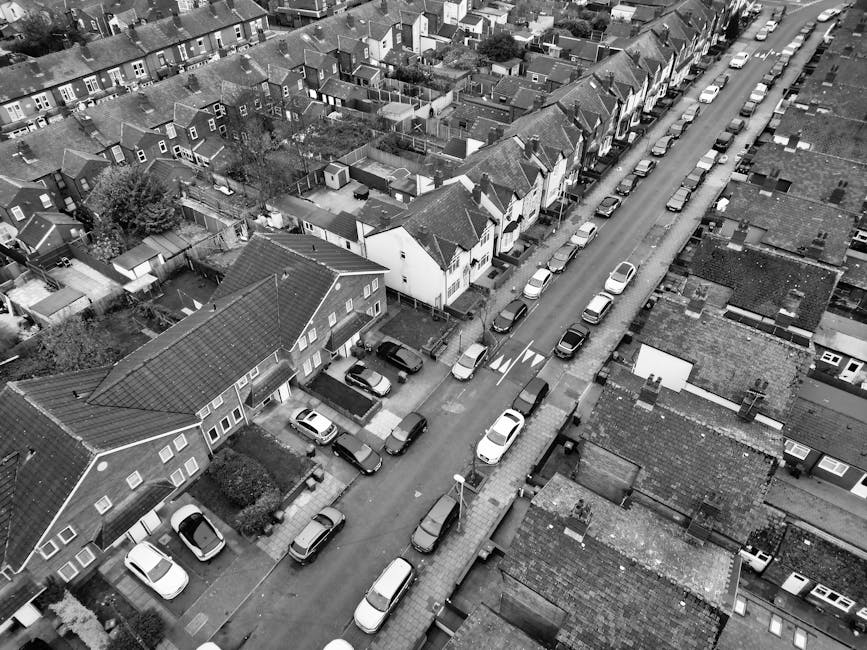
Kennington Park sits in an area where residential streets can feel compact, busy, and sometimes surprisingly unforgiving for a removal vehicle. That matters because house removals are not just about lifting and loading. They are about access, timing, coordination, and keeping the day moving without unnecessary friction.
Narrow streets affect almost every part of the move:
- where the van can park
- how far items must be carried
- whether furniture needs to be taken apart
- how many movers are needed
- how long loading and unloading will take
- whether neighbours or traffic are affected
That may sound obvious, but in real life it catches people out all the time. A move that would be straightforward on a wider road can become awkward if the van has to park a street away. A sofa that would normally glide out of a property can suddenly need a careful turn, a bit of patience, and a blanket wrapped round the corner so it does not scrape the wall.
If you are already getting familiar with the area itself, the broader context can help too. Our guide to the charm and character of Kennington gives a good sense of how local streets and housing styles shape everyday life.
Expert summary: In narrow-street moves, the difference between a good day and a stressful one usually comes down to planning access before the first box is lifted. Measure, confirm, and simplify wherever you can.
How Kennington Park house removals guide for narrow streets Works
A move in a narrow street usually follows the same basic structure as any other house removal, but with a few extra layers of planning. The removals team will want to understand the property layout, the street access, parking conditions, and any items that need special handling.
Here is the typical flow:
- Initial enquiry and quote - You explain the size of the property, the distance to the new address, and the access at both ends.
- Access check - The removals provider considers whether a large van, smaller vehicle, or shuttle-style loading is more suitable.
- Packing and preparation - Fragile items, loose items, and large furniture are prepared in advance.
- Parking and timing plan - The crew decides where to stop, when to arrive, and how to avoid conflict with traffic or local restrictions.
- Moving day execution - Items are carried, loaded, transported, and unloaded with the route and street conditions in mind.
For compact moves, some customers choose a man and a van service in Kennington or a more flexible man with a van option if the load is relatively light. For full-family moves, a dedicated home removal service is usually better because the crew and vehicle size can be matched more closely to the property.
Truth be told, the best removals plan is the one that removes guesswork. If the team knows in advance that the road is tight, the stairs are awkward, or the front door is a squeeze, they can come prepared instead of improvising on the pavement.
Key Benefits and Practical Advantages
When narrow streets are handled properly, the move becomes smoother in ways that are easy to underestimate. You do not just save time; you reduce the chances of damage, delays, and day-of stress.
Some of the biggest practical advantages include:
- Less risk of damage - Better planning means fewer knocks on walls, stair rails, and furniture edges.
- Faster loading and unloading - When access is thought through early, the crew wastes less time carrying items unnecessarily far.
- Safer working conditions - Narrow streets can create pinch points. A clear plan helps everyone move safely.
- Fewer disputes with neighbours - Sensible parking and timely loading avoid the kind of friction nobody wants on moving day.
- More accurate pricing - Good access information helps a removal company quote more realistically.
If you are comparing providers, it is worth looking beyond the headline price. A slightly lower quote can become expensive if the crew arrives underprepared. On the other hand, a company that asks detailed access questions may actually save you money because they are planning properly from the start. You can also review the company's pricing and quotes information and their competitive pricing page to see how they frame value.
There is a quiet benefit too: peace of mind. When you know the van can actually fit, the route has been checked, and the crew understands the street layout, you stop fretting over every little thing. That matters more than people admit.
Who This Is For and When It Makes Sense
This guide is for anyone moving in or around Kennington Park where the street layout is not exactly generous. That includes a lot of common situations.
- Flat moves where access is limited and parking is awkward
- House moves with larger furniture and more boxes than expected
- Students or first-time renters moving from compact properties
- Families moving into or out of terraced homes with tight front access
- Professionals needing a careful, time-sensitive move on a weekday
- Anyone with fragile or bulky items such as wardrobes, mirrors, or a piano
This also makes sense if you are moving on a tight schedule. Maybe completion day is fixed. Maybe the tenancy ends at noon. Maybe you have a building window, a loading restriction, or a neighbour who really, really needs the street clear by 9 a.m. Narrow-street planning is not just for stressful moves; it is often what keeps a routine move from becoming stressful.
If your move is smaller and quicker, a service like flat removals in Kennington may be a better fit. For larger homes, a more complete house removals service in Kennington is usually the safer bet.
Step-by-Step Guidance
A well-run move through narrow streets is usually the result of careful preparation rather than heroic effort on the day. Here is a practical way to handle it.
1. Check access at both addresses
Start with the obvious but essential questions. Can a van stop directly outside? Is there enough space to open doors? Are there resident parking bays, yellow lines, or loading restrictions? If you are unsure, take photos and short videos on your phone. A quick clip of the street can tell a removal company more than a paragraph of description.
2. Measure bulky furniture before moving day
Doors, stairwells, hall corners, wardrobes, and sofas should all be checked. The old "it should fit" approach is how people end up reversing a sofa halfway back upstairs. If an item is large, consider partial disassembly in advance.
3. Choose the right vehicle and crew size
Not every move needs a large removal lorry. In some narrow streets, a smaller vehicle is actually the smarter choice. For lighter loads, a smaller removal van in Kennington can reduce access problems, while a larger house move may need a more structured team and extra handling equipment.
4. Pack for carry distance, not just for storage
People often pack boxes for stacking, but not for multiple carries up and down the street. Make sure boxes are strong, sealed well, and not overfilled. Heavy books should be in smaller boxes. Fragile items should be clearly labelled. If the street access is poor, better packaging matters even more.
5. Plan the timing carefully
Morning starts often work well because streets are quieter and parking is sometimes easier. But this depends on the local pattern. Some roads are calm at 8 a.m. and crowded by school run time. A good local mover knows this kind of rhythm. Small detail, big difference.
6. Protect the property and common areas
Use door protectors, blankets, and floor covering where needed. If you are in a flat or shared building, warn neighbours and check building rules. It is polite, yes, but also practical. One complaint can slow the whole move down.
7. Keep essentials separate
Set aside a bag with documents, chargers, snacks, medication, keys, and basic cleaning items. When the crew is juggling access and timing, you do not want to be searching for your passport in a box marked "miscellaneous" at the worst possible moment. That box is never misc, by the way. It is always important.
Expert Tips for Better Results
These are the small, slightly unglamorous things that make a narrow-street move easier. They are not dramatic, but they save time and trouble.
- Use photos, not guesses. A picture of the street, the front door, and the parking spot tells a better story than "the road is fairly narrow".
- Label rooms clearly. If items need to be carried a longer distance, clarity saves energy. Every extra minute matters.
- Disassemble early. Beds, tables, and some wardrobes are far easier to move in sections.
- Keep neighbours informed. A polite heads-up can prevent awkwardness. Sometimes a quick note in the lobby does the trick.
- Protect corners and glass. Narrow hallways make even ordinary furniture feel oversized.
- Ask about insurance cover. Good removals providers should be transparent about the protection they offer. See the company's insurance and safety information for the basics.
A useful rule of thumb: if something is heavy, fragile, awkward, or sentimental, give it extra attention. That goes double for items like uprights or digital pianos, where specialist handling may be wiser. If that applies to you, it is worth looking at piano removals in Kennington rather than treating it like a standard box move.
Also, do not underestimate storage. If the new place is not quite ready, or access is blocked for part of the day, temporary holding space can keep the move from stalling. A storage option in Kennington can be surprisingly useful in tight urban moves.

Common Mistakes to Avoid
Most moving problems in narrow streets are preventable. The frustrating bit is that they are usually the same mistakes, just repeated in different houses.
- Booking without checking access - The van size may be wrong for the street.
- Assuming parking will work itself out - It rarely does.
- Packing too late - The morning becomes a scramble, and scramble is not a strategy.
- Leaving furniture intact when it clearly will not pass - If it looks tight, it probably is.
- Not sharing building rules - Lift bookings, access codes, and concierge requirements can slow things down.
- Ignoring weather - Rain turns narrow-street carrying into a slippery, awkward task. Not ideal.
- Choosing price over fit - Cheap can be expensive when the plan is unrealistic.
There is also a quieter mistake: not asking enough questions before booking. If you are moving out of a managed building or into one, the right questions are almost always boring ones. Where can the van wait? Is there lift access? What time is loading allowed? Boring, yes. Essential, absolutely.
Tools, Resources and Recommendations
A few simple tools can make a narrow-street move much more manageable. You do not need a full professional toolkit in your pocket, just the right basics.
| Tool or resource | Why it helps | Best for |
|---|---|---|
| Measuring tape | Checks doorways, furniture, and hall widths | Bulky furniture and tight internal routes |
| Phone camera | Captures access, parking, and stair layouts | Getting an accurate quote |
| Furniture blankets | Protects items from bumps and scrapes | Wardrobes, tables, mirrors |
| Strong tape and labels | Keeps boxes secure and easy to identify | Any domestic move |
| Floor runners or old sheets | Helps protect floors from dirt and dragging marks | High-traffic internal routes |
On the service side, it helps to look at the wider picture rather than just one product page. The site's services overview is a useful place to understand how different move types fit together, while the main removals page for Kennington gives a broader picture of local moving support.
If you are moving a smaller load, especially in a tight street, a flexible option can work well. If you are moving a whole home, or something with awkward furniture, it may be worth asking for a more tailored plan rather than trying to force everything into a standard booking.
Law, Compliance, Standards, or Best Practice
House removals in narrow streets are not usually about heavy regulation, but there are still important standards and best practices worth following. Local parking rules, loading restrictions, and building access procedures can all affect the move. Where road space is limited, you should not assume that stopping briefly is automatically fine. That is something to check in advance, not on the day.
Good practice also means being sensible about safety:
- use safe lifting techniques and avoid rushing heavy items
- keep walkways as clear as possible
- protect walls, bannisters, and doorframes
- communicate clearly between movers and the client
- make sure fragile or valuable items are handled with care
Professional removals companies should also be transparent about terms, payment, complaints, and safety expectations. If you want to check those basics, it is worth reviewing the company's health and safety policy, terms and conditions, payment and security page, and complaints procedure. It is not the exciting part, obviously, but it is the sort of detail that tells you how seriously a company takes the work.
For environmentally minded customers, it can also be helpful to ask how waste, packing materials, and unwanted items are managed. The company's recycling and sustainability information may help you plan a cleaner move.
Options, Methods, or Comparison Table
Not every move in Kennington Park narrow streets needs the same setup. The right choice depends on property size, access, and how much furniture you are moving. Here is a simple comparison.
| Move option | Best for | Pros | Trade-offs |
|---|---|---|---|
| Man and van | Small flats, a few rooms, lighter loads | Flexible, often quicker to arrange, easier for tight streets | Less suitable for large households or very bulky items |
| Full house removals | Family homes, larger inventories, complex moves | More crew support, better for awkward items, stronger coordination | Needs more planning and may require more parking space |
| Same-day removals | Urgent moves or last-minute changes | Fast response, useful in time-sensitive situations | Availability may be limited and access issues can be harder to manage |
| Storage-supported move | Moves with delays, staggered completion, or uncertain access | Reduces pressure if dates or access do not line up | Extra handling and possible storage cost |
For some readers, the best fit will be obvious. A one-bedroom flat with a few boxes? A compact vehicle and careful loading may be enough. A larger terraced home with a grand piano and a wardrobe that seems to have been built in the room? That is a different story entirely. The more awkward the items, the more the move benefits from proper planning and the right service mix.
If you need to move quickly, you may also find the same-day removals option in Kennington useful, though it is usually best to confirm access details as early as possible so the team can respond properly.
Case Study or Real-World Example
Picture a typical move near Kennington Park on a weekday morning. The property is a first-floor flat on a narrow residential street. The entrance is fine, but the road itself has limited stopping space, and there is a school-run pattern that fills the street faster than you would expect.
The move works best when the planning is simple and early:
- the client sends photos of the street and front door the day before
- the removals team brings a vehicle that can stop safely without blocking the junction
- bulky furniture is partly dismantled the night before
- boxes are grouped by room so carrying routes stay short
- the client keeps essentials in one separate bag
Nothing fancy. Just calm preparation.
By 10 a.m., the awkward bit is already behind them. The crew is not trying to second-guess the street. The client is not wondering whether the sofa will make the turn. The whole move feels lighter, even if the boxes do not. That is the point really. In a narrow-street area, success is usually about removing friction before it appears.
For people moving between flats, the same logic applies. If you are shifting into or out of a compact property, the extra guidance on flat removals in Kennington can be a good companion to this article.
Practical Checklist
Use this checklist in the final 48 hours before your move. It keeps the day grounded.
- Confirm access at both addresses
- Share photos or a short video of the street if needed
- Check parking, loading, and time restrictions
- Measure doorways, stairwells, and bulky furniture
- Disassemble large items where possible
- Label boxes clearly by room
- Pack fragile items securely and separately
- Set aside essentials, documents, and chargers
- Protect floors, corners, and bannisters
- Notify neighbours or building management if relevant
- Review insurance, safety, and booking details
- Keep the van access route clear on the day
Quick reminder: if the street looks tight to you, it will usually feel tighter with a van outside and everyone trying to work around it. Plan for the reality, not the ideal.
Conclusion
Moving home in Kennington Park's narrower streets does not have to be a gamble. With the right preparation, the right vehicle, and a removals plan built around access rather than assumptions, even a tricky street can feel manageable. The real trick is to think one step ahead: parking, carry distances, furniture size, timing, and safety. Get those right and the rest tends to fall into place.
If you are still comparing options, it helps to choose a local team that understands the area and asks the practical questions before moving day, not during it. That small difference can save a lot of stress. And honestly, on moving day, calm is worth its weight in cardboard.
Get a free quote today and see how much you can save.
If you want a simple next step, start with your access details, a few photos of the street, and a rough inventory. That alone will get you much closer to a clean, well-planned move. Small prep. Big payoff.

![Professional Movers Services at Unbeatable Prices in [LOGO_TITLE]](../../pub/actonmovers-banner.png)